Background
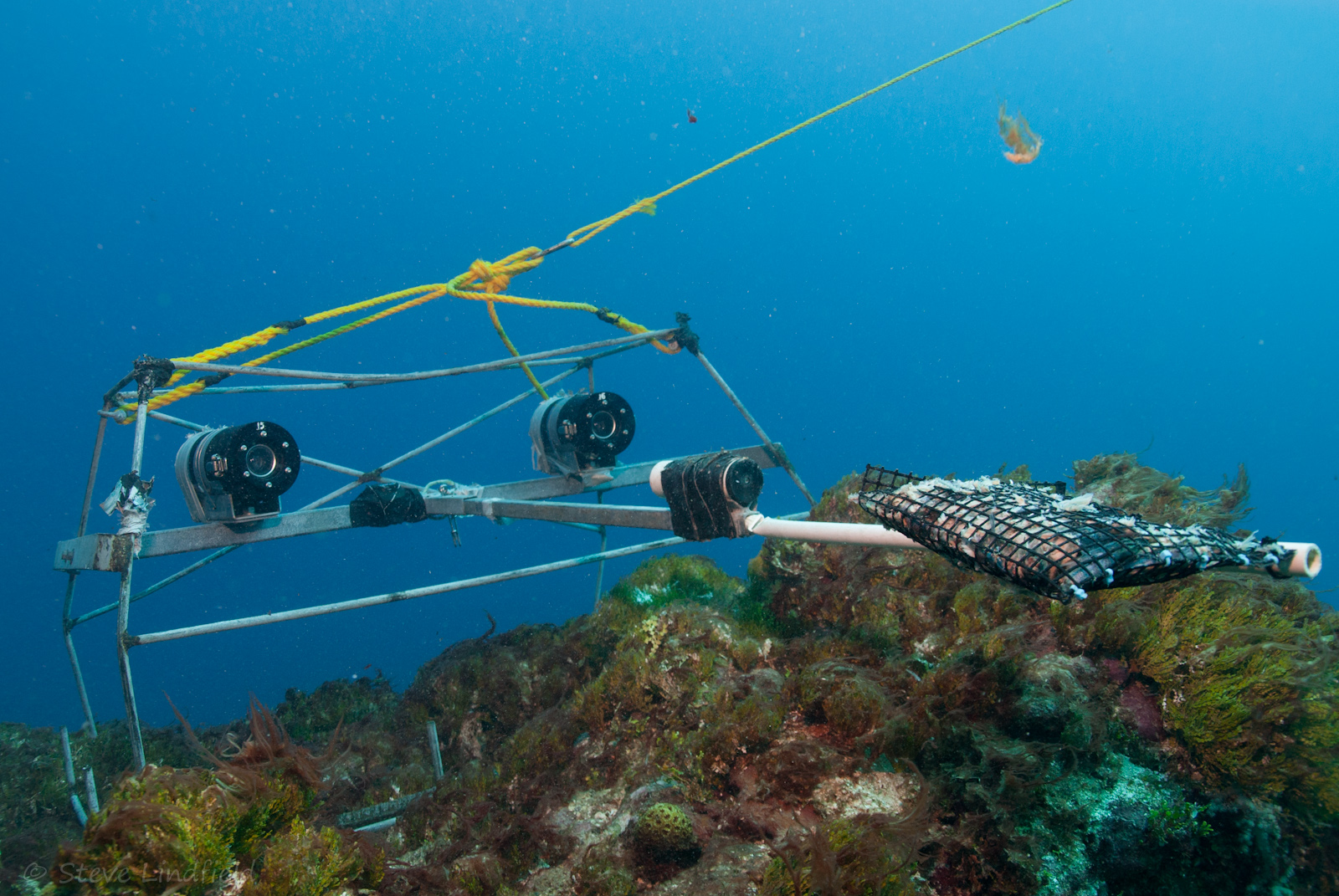 The Fish Collective and BRUV working group started in Australia. For more than a decade, a network of scientists there using underwater imagery survey methods to survey fish and shark assemblages have been collaborating and sharing data under the informal banner of the ‘National BRUVs Working Group’.
This group has used mono- and stereo-video imagery from stereo-BRUV and other platforms to inform the discovery, description, and management of the marine environment.
Through collaboration and the sharing of data the group has informed local, national, and international environmental reporting, management, and policy.
The National BRUVs Working Group held a workshop in New South Wales with three key objectives: 1) to broaden group membership and encourage greater collaboration, data standardisation, and sharing; 2) to establish and coordinate a cross-shelf national monitoring program for fish assemblages in coastal and Commonwealth waters; and 3) to support GlobalArchive as a data repository that promotes FAIR and CARE principles for fish and shark assemblage data from underwater imagery.
Recognising that other video-based sampling tools collect similar fish and shark data both nationally and internationally (including stereo-DOVs and stereo-ROVs), the Working Group expanded its scope and established The Fish Collective, with the objective of reaching out globally to share learnings and developments in stereo-video based assessment of fish and benthic assemblages.
Our Mission
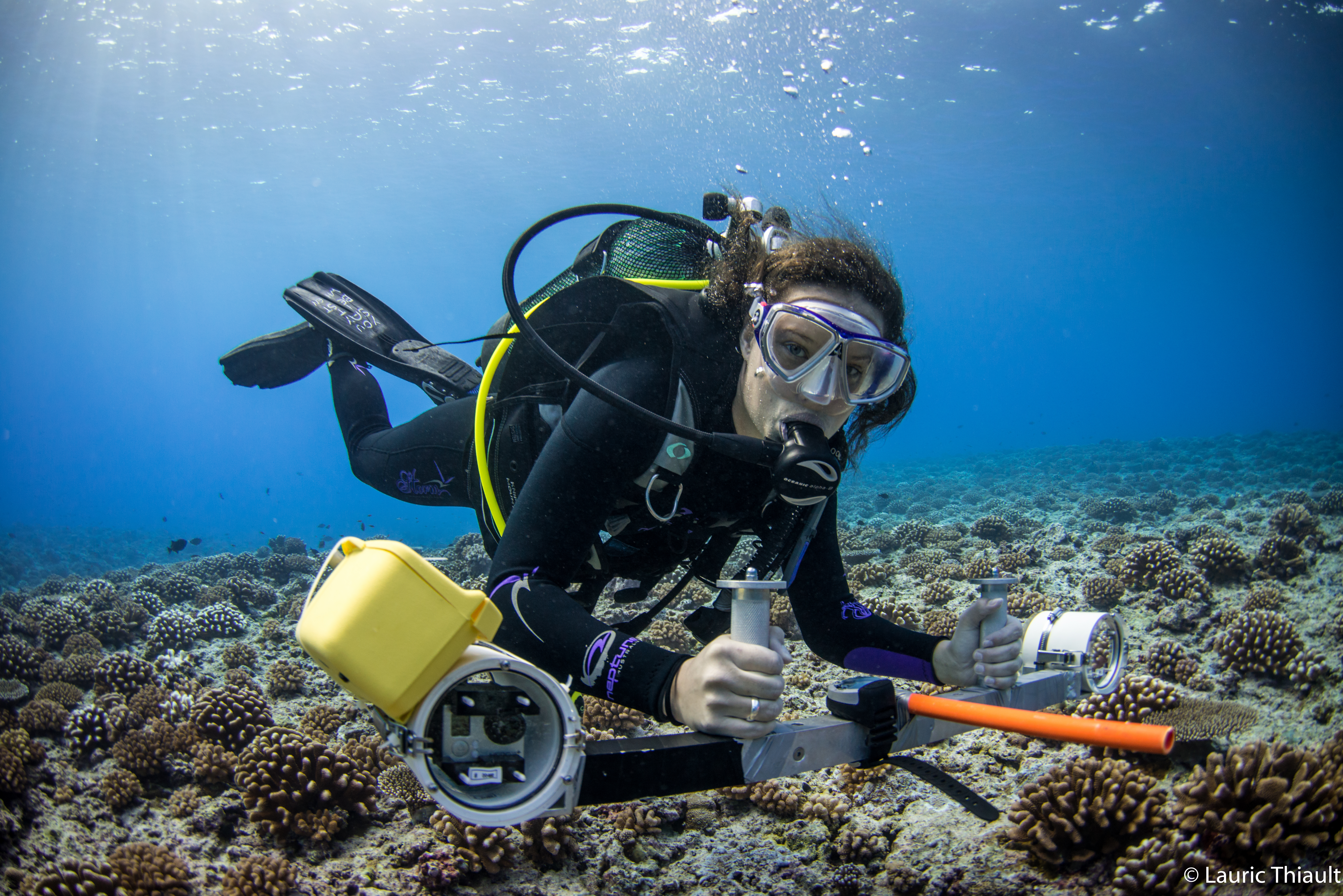 The Fish Collective and global working groups will advance the understanding and stewardship of marine ecosystems by coordinated networks of scientists who use underwater imagery to survey fish and shark assemblages, share data standards, and support collaboration, education, and training. The Fish Collective actively develops critical tools including GlobalArchive (an AI-ready data repository), CheckEM (an open-source toolkit for quality control of fish survey data), and advance methodologies that strengthen collaborative research and deepen our understanding and stewardship of marine ecosystems.
Australian Working Group
 The Australian Working group has a Steering Committee and diverse representation from research, monitoring, assessment, and management organisations across Australia, all experienced in underwater imagery survey methods of fish and sharks. The Working Group provides knowledge, expertise, and guidance to newcomers in imagery-based sampling while streamlining access to curated national and international datasets. In Australia, the synthesis of the working groups FAIR data has the objectives to provide essential evidence to support Australian State of Environment reporting, fisheries independent data, Marine Park assessments, the development of National Ocean Ecosystem Accounts, and contribute to global biodiversity reporting initiatives.